


One of the most persistent myths in metal buying is that stainless steel must never attract a magnet. It is a simple rule, but unfortunately it is not an accurate one.
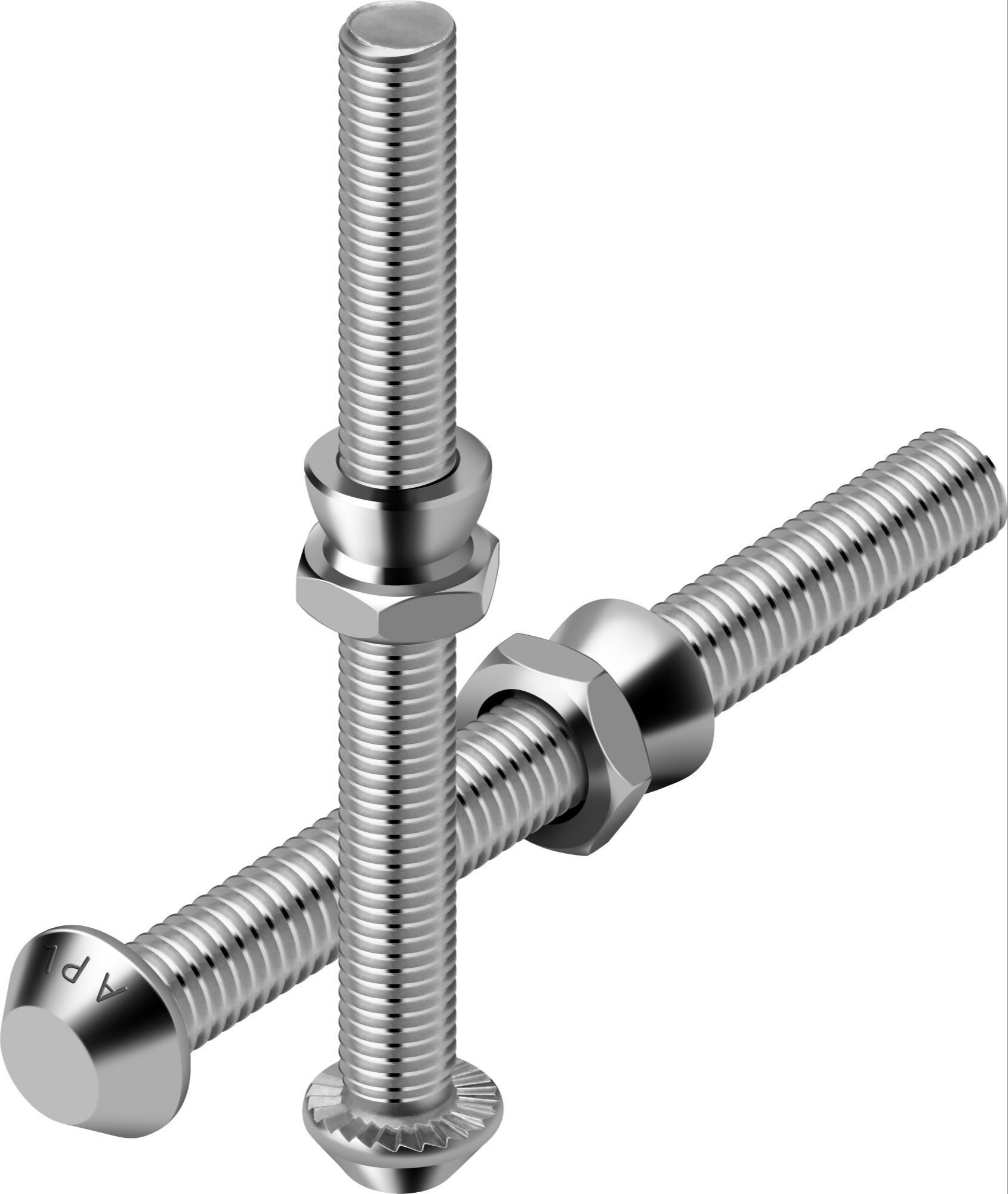
Yes, genuine Stainless Steel can be magnetic. Whether it attracts a magnet depends on the stainless steel family, the alloy chemistry, the heat-treatment condition, the amount of cold work and the manufacturing process used to form the component. For stainless steel fasteners, that point deserves special attention because bolts, nuts and screws are shaped under pressure, not merely cut out of a neutral block of metal.
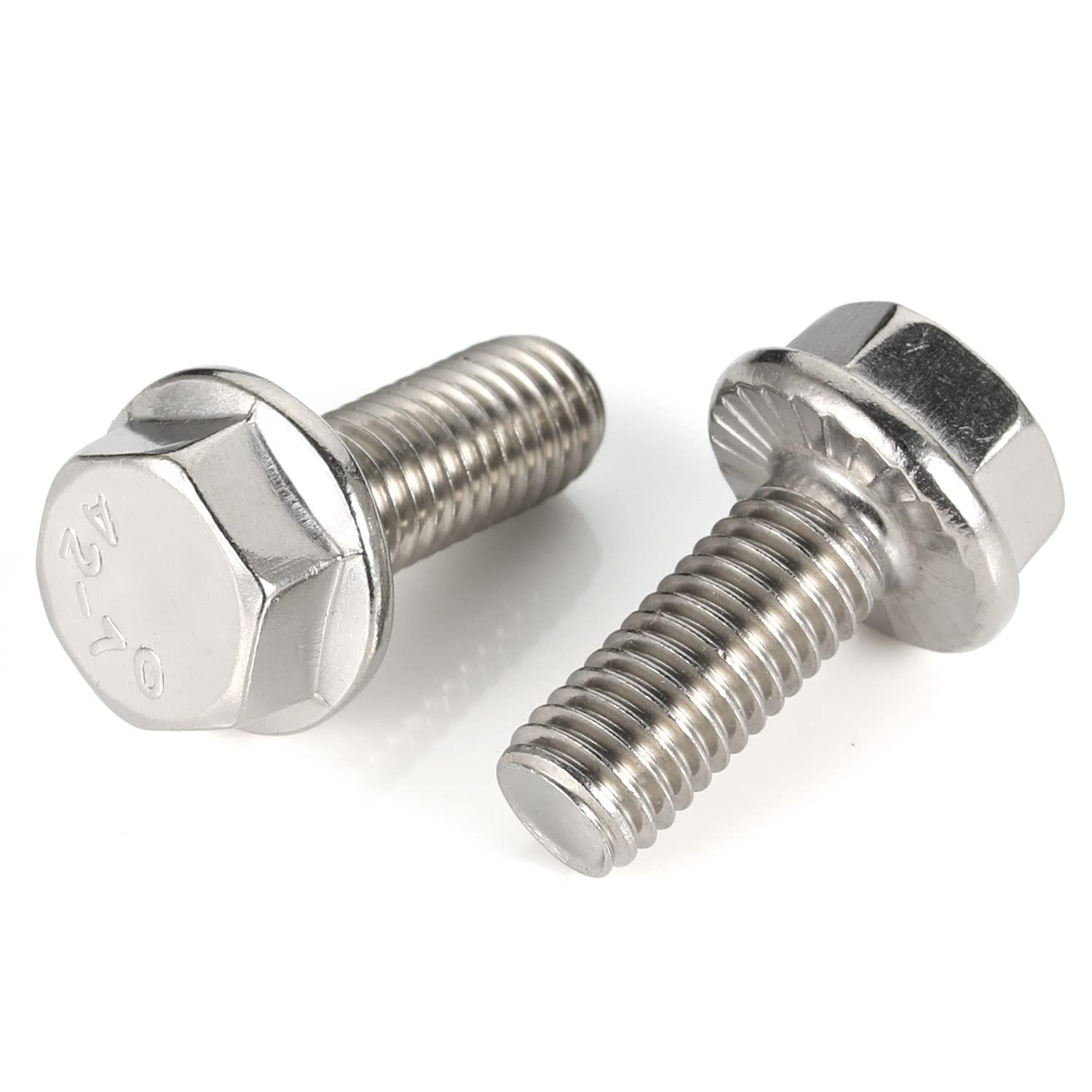
To understand the issue correctly, it helps to begin with the families of stainless steel. Austenitic stainless steels, including commonly used 300-series grades such as 304 and 316, are generally non-magnetic in the annealed condition. Ferritic stainless steels are magnetic. Martensitic stainless steels are also magnetic. Duplex stainless steels contain both austenite and ferrite, so they normally show magnetic response.
That means the statement “stainless steel is non-magnetic” is legally and technically too broad. A more accurate statement would be: many annealed austenitic stainless steels are generally non-magnetic, but other stainless steel families are magnetic, and even austenitic grades can become slightly magnetic after deformation.
Fasteners are manufactured through deformation. Stainless steel wire may be drawn to size, then cold headed to form a bolt head or screw head, then thread rolled to form the thread. These operations subject the steel to pressure and strain. In austenitic stainless steels, that strain can cause a partial transformation of the internal microstructure from austenite to martensite. Martensite is magnetic. As a result, the finished fastener may show mild attraction to a magnet.
This effect is often more visible in areas that have been heavily worked. Threads, corners, formed heads, recesses, bends and sheared edges may respond differently from smoother, less deformed areas of the same part. A buyer may therefore find that one section of a stainless steel fastener attracts a magnet more than another. That variation does not automatically indicate mixed material. It may reflect different levels of deformation during manufacture.
The degree of magnetism is not the same across all austenitic grades. Stainless steels with higher amounts of austenite-stabilising elements, such as nickel and nitrogen, are generally more resistant to strain-induced magnetic response. This is why different grades, and even different manufacturing histories within the same grade, may behave differently during a magnet check.
From a customer’s point of view, the important question is not merely “Is it magnetic?” The better question is “What does this magnetic response prove?” In most cases, it proves very little by itself. It does not identify the grade. It does not measure corrosion resistance. It does not prove that the fastener meets DIN, ISO, ASTM or customer specifications. It does not verify tensile strength, thread pitch or dimensions.
The magnet test can still be useful. It can alert the buyer when a part behaves unexpectedly. It can help separate strongly magnetic carbon steel from some austenitic stainless steel products in a rough warehouse environment. It can support an initial incoming inspection. But it should not be treated as a complete test report.
If a customer requires confirmation of stainless steel grade, better tools are available. A material test certificate can confirm chemical composition. Positive Material Identification can help verify alloy content. Laboratory testing can examine composition, microstructure and properties where the project justifies it. Supplier documentation and traceability can also provide a much stronger basis for acceptance than a handheld magnet.
This is particularly important for SS 304 and SS 316 fasteners. SS 304 fasteners are widely used for general stainless steel applications, while SS 316 fasteners are often selected where improved chloride resistance is required, such as coastal, marine, chemical or high-humidity environments. The distinction between 304 and 316 cannot be made reliably using magnetism alone.
A genuine SS 316 bolt may show slight magnetism after cold forming. A poor-quality product may show little magnetism but still fail to meet dimensional or documentation requirements. Magnetism is one signal. It is not the full evidence.
Swastik Industrial Works helps customers avoid exactly this kind of confusion. SIW’s role as a stainless steel fastener manufacturer is not only to supply products, but to support customers in understanding the right grade, standard, thread type, size, finish and application requirement. That matters in industries where one fastening decision can affect performance, maintenance and long-term reliability.
For buyers, the practical rule is simple: do not panic when genuine stainless steel shows magnetism, and do not rely on non-magnetism as proof of quality. Ask what grade was supplied, what standard applies, what documents are available and whether the fastener suits the actual working environment.
A magnet can begin the conversation. It should not end it.