


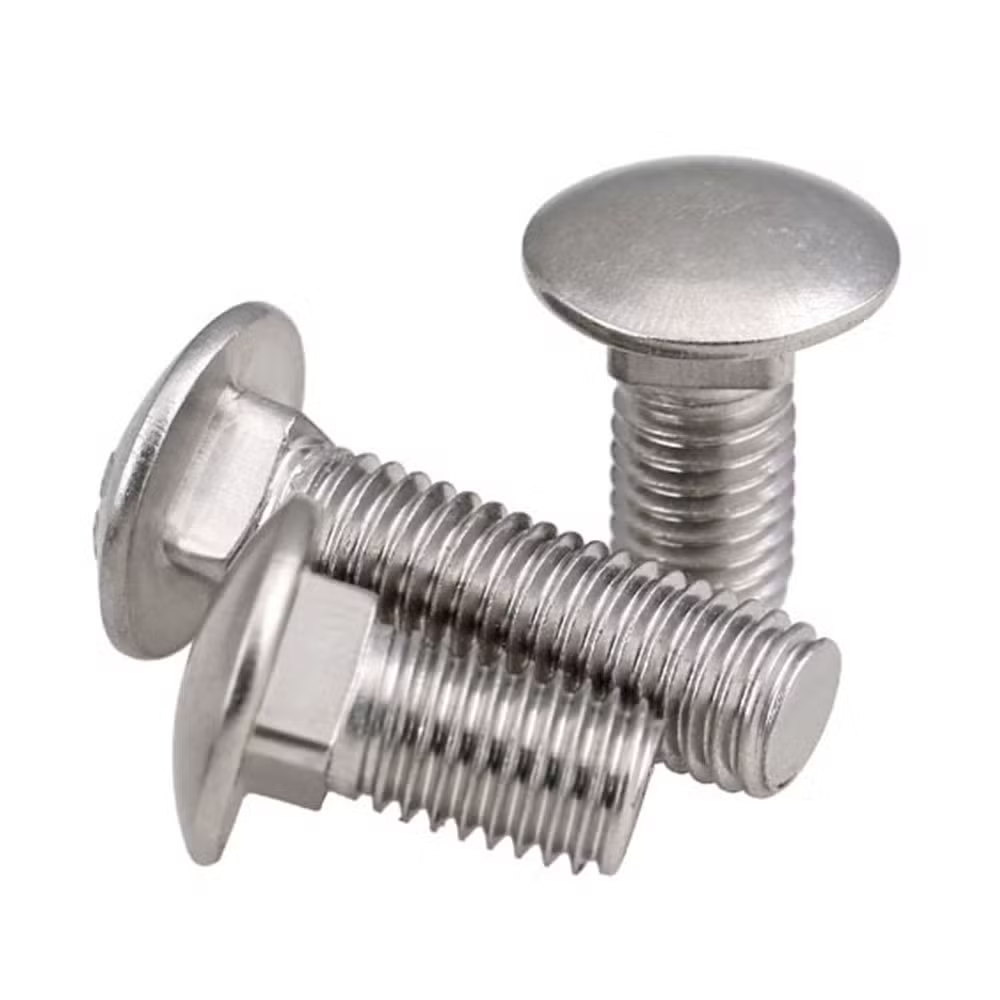
If a magnet sticks to a Stainless Steel Bolt, the first reaction is usually doubt. The buyer worries that the product may not be stainless steel. The site engineer worries that the material may corrode. The purchase team worries that an entire consignment may need to be rejected. That concern is understandable, but the conclusion is often premature.
A magnet test is a useful first-level observation. It is not a complete material verification method. In stainless steel fasteners, especially those made from commonly used austenitic grades such as SS 304 and SS 316, slight magnetic attraction can appear after manufacturing. The reason is not deception. It is metallurgy.
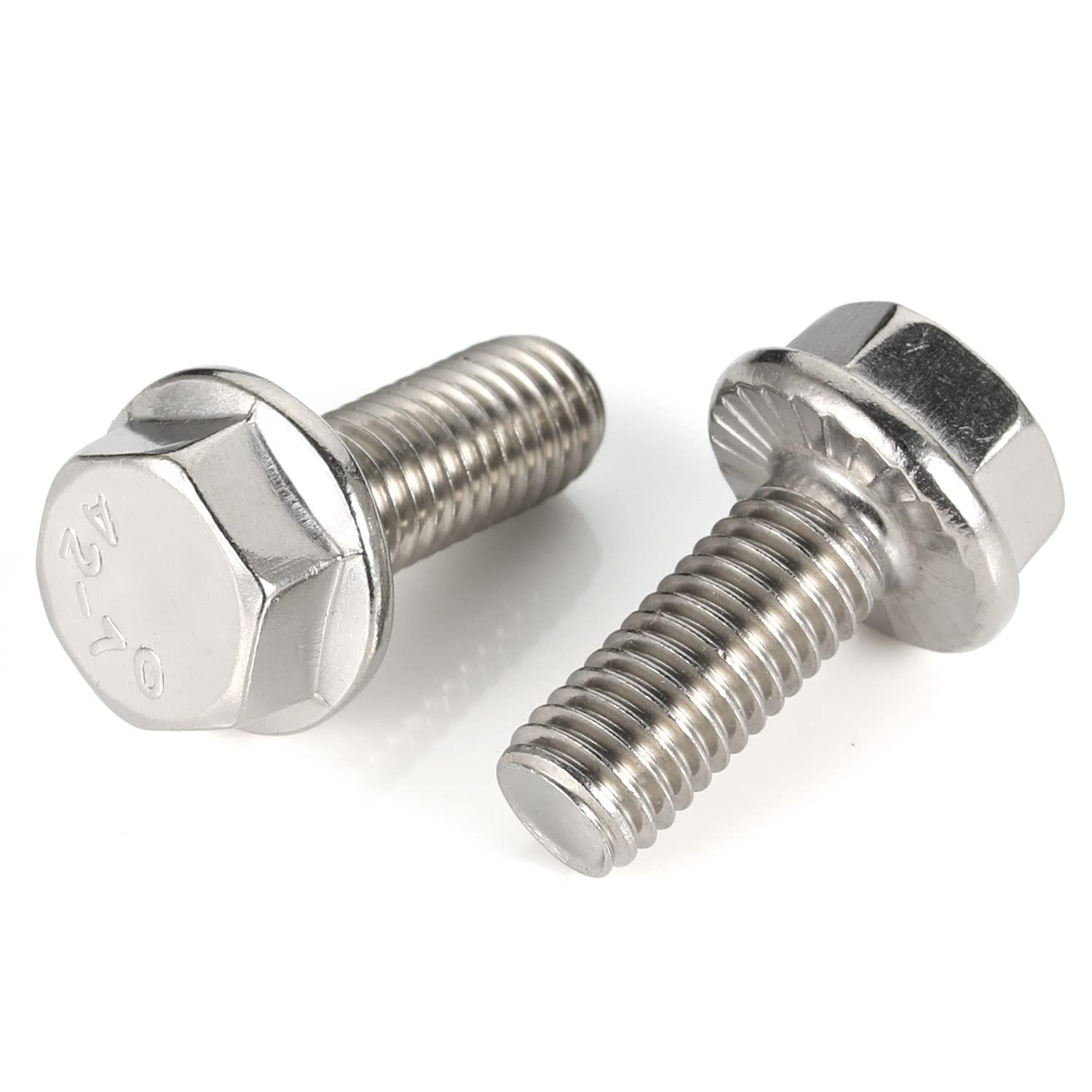
Stainless steel is a family of alloys, not one single material. Some stainless steels are naturally magnetic. Ferritic and martensitic stainless steels generally show stronger magnetic response. Austenitic stainless steels, including 304 and 316, are generally considered non-magnetic in their annealed or softened condition. However, when austenitic stainless steel is cold worked, some of its internal structure may transform, and the finished part can become mildly magnetic.
Fasteners are not flat test coupons. They are manufactured products. A bolt may pass through wire drawing, cold heading, thread rolling, trimming and other forming operations before it reaches the customer. These operations deform the stainless steel. In certain areas, such as the thread roots, head corners, rolled threads or formed recesses, the material may become more responsive to a magnet than the original annealed wire.
Therefore, if a magnet sticks lightly to a stainless steel bolt, it does not automatically prove that the bolt is mild steel. It also does not prove that the grade is wrong. What it tells you is narrower: the product has some magnetic response. The next step is to verify the specification, not to assume failure.
From a procurement and quality-control standpoint, the better question is: what exactly was ordered? Was the requirement SS 304, SS 316, A2, A4, DIN, ISO or a specific property class? Was a material test certificate requested? Was the application coastal, chemical, structural, indoor or general engineering? Each answer matters.
A magnet cannot tell you whether the bolt is SS 304 or SS 316. It cannot confirm chromium content, nickel content, molybdenum content, tensile properties, thread accuracy, dimensional tolerance or corrosion performance. A strong magnet response may justify further investigation, particularly where the application is critical. But rejection based only on magnetic attraction may delay a project unnecessarily.
There are situations where caution is appropriate. If the fastener shows very strong attraction similar to carbon steel, if the material certificate is missing, if the supply source is unknown, if the surface shows rust before installation, or if the application is in a marine or chemical environment, the customer should ask for documentation and technical clarification. In such cases, chemical testing, grade verification, PMI testing or third-party inspection may be more meaningful than a handheld magnet.
For SS 304 and SS 316 fasteners, corrosion resistance depends mainly on alloy composition, surface condition, exposure, chloride concentration, crevices, cleaning and maintenance. Magnetism alone does not decide service life. A genuine stainless steel fastener may be slightly magnetic and still suitable for its intended application. Conversely, a non-magnetic item is not automatically high quality if its dimensions, grade or manufacturing process are not controlled.
This is where working with an experienced stainless steel fastener manufacturer becomes important. A responsible manufacturer will not dismiss the customer’s concern. They will explain the grade, the manufacturing route, the relevant standard, and what documentation can be supplied for the order. The buyer should never be left to judge a technical product with a magnet alone.
At Swastik Industrial Works, customer questions around stainless steel magnetism are treated as quality conversations, not complaints. SIW supplies stainless steel bolts, nuts, screws, washers, threaded rods, anchor fasteners and special fasteners across industrial applications. The focus is not merely on moving stock, but on helping customers select the right fastening solution for the environment, load and specification.
So, should you be worried if a magnet sticks to your stainless steel bolt? Not immediately. You should be attentive, not alarmed. Check the specification. Ask for documentation. Review the application. Speak to the manufacturer. A magnet may raise a question, but it should not be the final judge.
For stainless steel fasteners in India, especially SS 304 fasteners, SS 316 fasteners, A2/A4 bolts and industrial fasteners for demanding applications, the safest decision is based on grade, standard, application and supplier credibility together.